Tiritiri Matangi Island, Auckland
Tiritiri Matangi Island, Auckland
Tiritiri Matangi Island, Auckland
Tiritiri Matangi Island, Auckland
Posted by Golden Chain NZ on Jan 13, 2026, 3:08 AM


Why Tiritiri Matangi Island Belongs on Your Auckland Bucket List
It's a genuine conservation success story
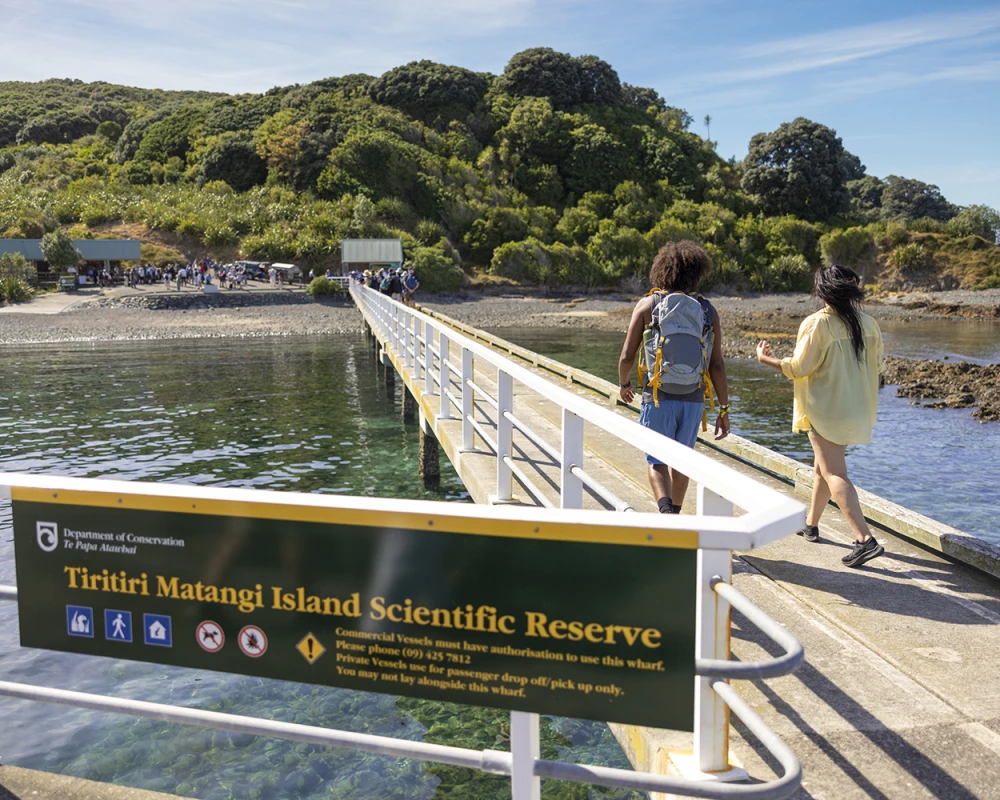
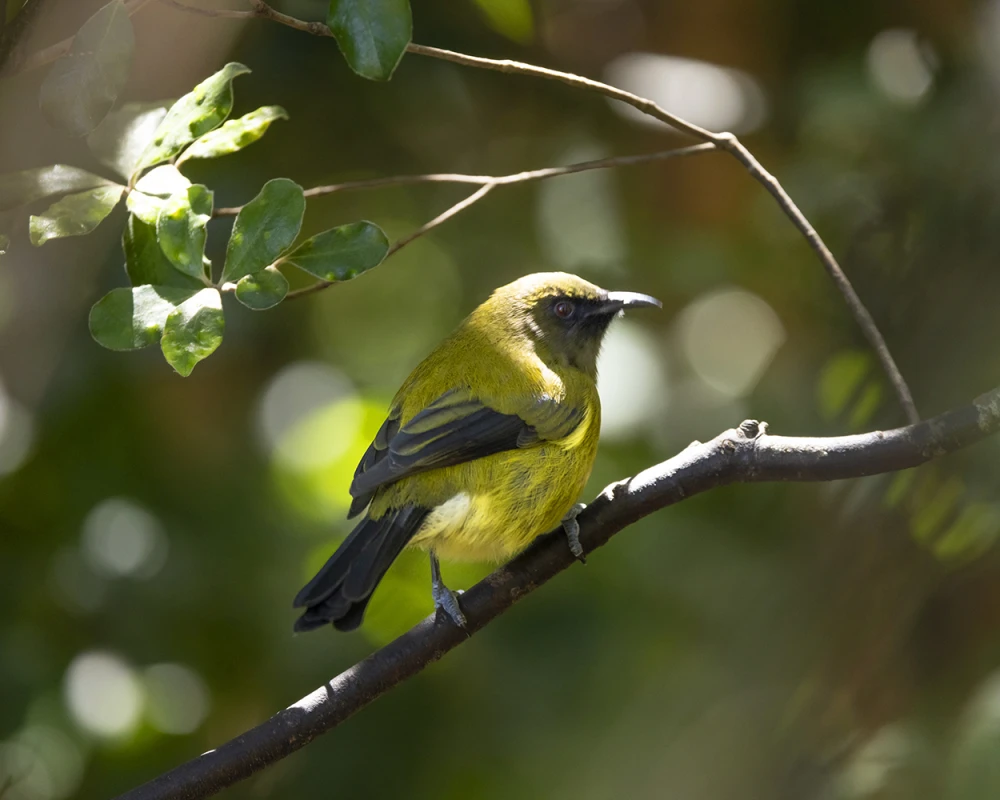
Tiritiri Matangi used to be farmland. Over the last 50 years, a small army of volunteers has transformed the 220-hectare island into a thriving, predator-free sanctuary — planting native bush by hand and clearing out every last pest. The result is over 31 species of native birds, many of them species you simply won't see anywhere else on the mainland.
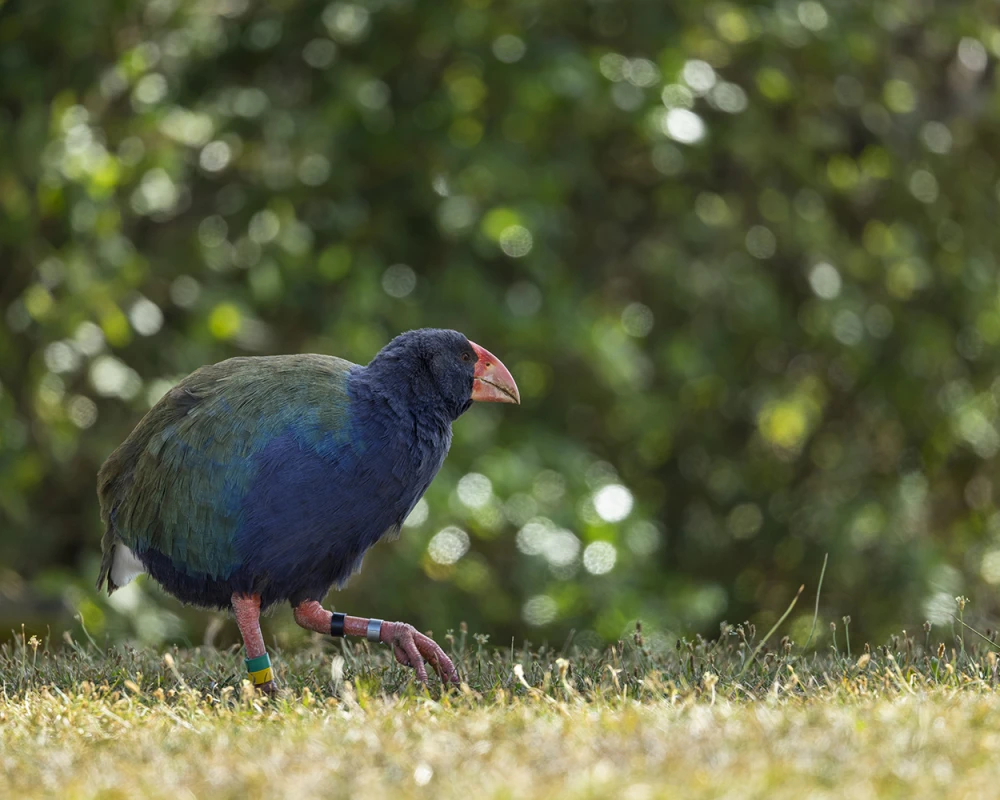
Keep an eye (and ear) out for tīeke (North Island saddleback), hihi (stitchbird), kōkako, and — if you're lucky — takahē, a species once thought extinct. On the reptile and insect side, there are tuatara, Duvaucel's geckos, shore skinks, and the truly enormous wētāpunga (giant wētā). It's essentially a living museum of species that predators wiped out almost everywhere else.
You don't need to be an expert to get the most out of it
Guided walks are the easiest way to actually spot everything, and they're run by volunteers who know the island inside out. You can book one straight through the ferry operator, and it's genuinely worth the small extra fee — reviewers regularly rave about guides who spend hours pointing out birds, sharing history, and answering questions most visitors wouldn't think to ask.
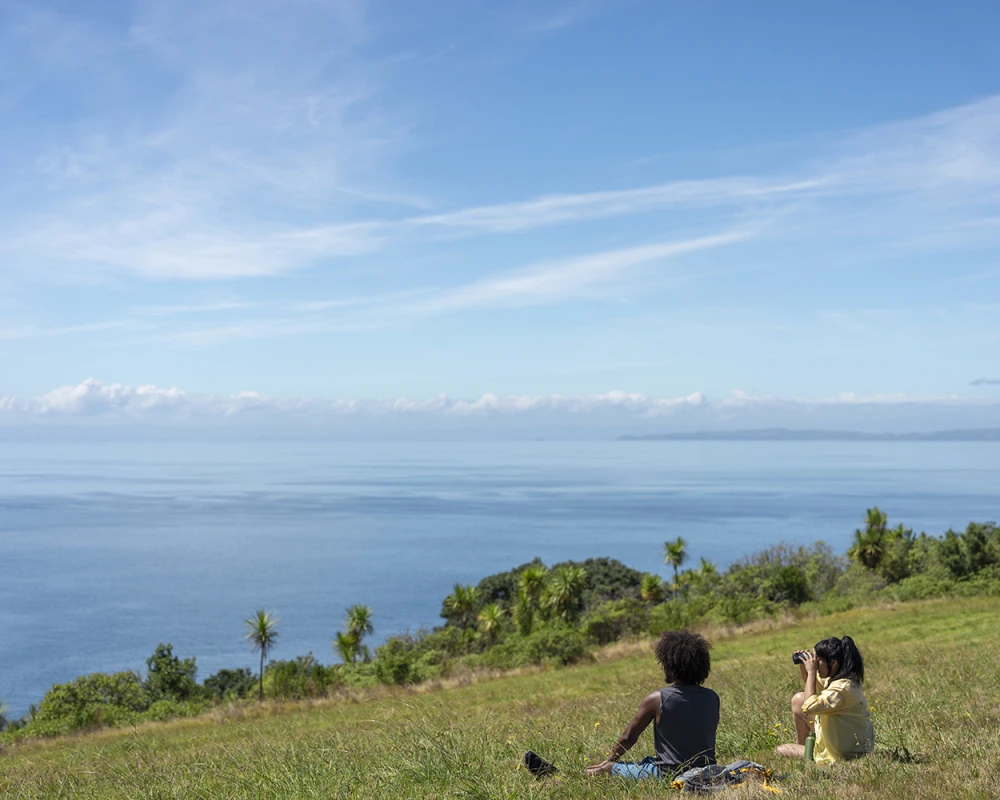
Prefer to wander at your own pace? That's an option too, with a network of walking tracks through the forest. Either way, sitting still for even a few minutes tends to be rewarded — birds here have no reason to be shy of people.
There's real history underfoot, too
Tiritiri Matangi isn't just a nature reserve — it's layered with history. Māori were living on the island as far back as the 14th century, fishing and gathering coastal birds, and the connection continues today. Later came European farming, and eventually a lighthouse: the island's lighthouse is New Zealand's third-ever built and the oldest one still operating. During World War II, the island also played a role in Auckland's harbour defences, with a Fortress Observation Post keeping watch for approaching vessels.
You can turn it into more than a day trip
If a few hours doesn't feel like enough, you can stay overnight in the old lighthouse keeper's cottage, which sleeps up to 15 people across three rooms with proper cooking and bathroom facilities. Waking up to a full dawn chorus, with birdsong that's basically disappeared from most of mainland New Zealand, is reason enough on its own.
A few practical things worth knowing
- Getting there: Ferries run from central Auckland and Gulf Harbour, roughly 75–80 minutes each way.
- Biosecurity matters: Because the island is pest-free, you'll need to check, clean, and seal your gear before boarding — no rodents, insects, or stray seeds allowed.
- No food for sale on the island, so bring what you need and take your rubbish home with you.
- Good for families: there's a dedicated family survival guide if you're planning to bring kids along.
The bottom line
Tiritiri Matangi is one of those rare places where the conservation story is just as compelling as the wildlife itself. Whether you do a quick guided walk or stay the night for the dawn chorus, it's a proper glimpse of what New Zealand's forests used to sound like — and a reminder of what's possible when people commit to bringing it back.